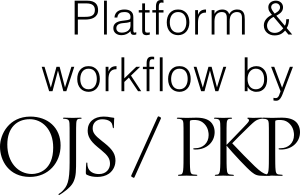
Historia literaria comparada entre períodos: teoría y práctica
DOI:
https://doi.org/10.48162/rev.43.076Palabras clave:
historia literaria, literatura comparada, contextualismo, disidenciaResumen
La motivación de este número monográfico es especulativa, dado que, aunque la comparación histórica debería ser clave en los estudios literarios, recientemente ha sido marginada. La desconfianza en una historiografía literaria de largo alcance se debe en parte a la crisis del universalismo humanista europeo y a la influencia del poscolonialismo, que ha promovido una prevención contra relatos históricos a gran escala. Los giros cultural, archivístico y empírico-materialista en las humanidades han transformado la historiografía literaria, imponiendo un contextualismo radical que ha limitado la capacidad de conectar el pasado con el presente. Sin embargo, desde principios del siglo XXI, han surgido intentos para reconsiderar la historia literaria, incorporando perspectivas globales y herramientas digitales. Este dossier busca examinar la posibilidad de comparar fenómenos literarios de diferentes épocas, explorando prácticas, formas y sistemas literarios. A modo de ejemplo, se analiza la disidencia en literatura a partir de la comparación de obras de Miguel de Unamuno, Miguel Espinosa y Cristina Morales.
Descargas
Citas
Beecroft, A. J. (2009). Literatura mundial y literatura-mundo: hacia una tipología de los sistemas literarios. New Left Review, 54, 85-96. https://newleftreview.es/issues/54/articles/alexander–beecroft–literatura–mundial–y–literatura–mundo.pdf
Beecroft, A. J. (2015). An Ecology of World Literature: From Antiquity to the Present Day. Verso.
Casanova, P. (2001). La República mundial de las Letras. Anagrama.
Espinosa, M. (2017). La fea burguesía. La fea burguesía.
Even-Zohar, I. (1996). The Role of Literature in the Making of the Nations of Europe: A Socio–Semiotic Study. Applied Semiotics/Sémiotique Appliquée, 1, 20-30.
Hayot, E. (2012). On Literary Worlds. Oxford University Press.
Havel, V. (1992). The Power of the Powerless. En Open Letters: Selected Writings 1965-1990 (pp. 125-214). Vintage Books.
Link, D. (2005). Clases. Literatura y disidencia. Norma.
Manovich, L. (2016). The Science of Culture? Social Computing, Digital Humanities and Cultural Analytics. Journal of Cultural Analytics, 1(1), 1-15. https://doi.org/10.22148/16.004
Morales, C. (2020). Los combatientes. Anagrama.
Siskind, M. (2016). Deseos cosmopolitas. Modernidad global y literatura mundial en América Latina. Fondo de Cultura Económica.
Tilly, C. (1991). Grandes estructuras, procesos amplios, comparaciones enormes. Alianza.
Unamuno, M. de. (2009). Cómo se hace una novela. Cátedra.
Underwood, T. (2013). Why Literary Periods Mattered. Stanford University Press.
Welskopp, T. (2010). Vergleichende Geschichte. Europäische Geschichte Online (EGO). Leibniz Institute of European History. https://d-nb.info/1020545119/34
Werner, M. y Zimmermann, B. (2003). Penser l’histoire croisée: Entre empirie et réflexivité. Annales. Histoire, Sciences Sociales, 58(1), 5-36. https://www.cambridge.org/core/journals/annales–histoire–sciences–sociales/article/abs/penser–lhistoire–croisee–entre–empirie–et–reflexivite/63A92EC81D2995E41F200A54CB54A29D
Descargas
Publicado
Número
Sección
Licencia
Derechos de autor 2025 Marcelo Topuzian

Esta obra está bajo una licencia internacional Creative Commons Atribución-NoComercial-SinDerivadas 4.0.
Aquellos autores/as que tengan publicaciones en esta revista, aceptan los términos siguientes:
- Los autores/as conservarán sus derechos de autor y garantizarán a la revista el derecho de primera publicación de su obra, el cual estará simultáneamente sujeto a la Licencia de reconocimiento de Creative Commons que permite a terceros compartir la obra siempre que no se use para fines comerciales, siempre que se indique su autor y su primera publicación en esta revista, y siempre que se mencionen la existencia y las especificaciones de esta licencia de uso.
- Los autores/as podrán adoptar otros acuerdos de licencia no exclusiva de distribución de la versión de la obra publicada (p. ej.: depositarla en un archivo telemático institucional o publicarla en un volumen monográfico) siempre que se indique la publicación inicial en esta revista y se cumplan las otras condiciones mencionadas arriba.
- Se permite y recomienda a los autores/as difundir su obra a través de Internet (p. ej.: en archivos telemáticos institucionales o en su página web) antes y durante el proceso de envío, lo cual puede producir intercambios interesantes y aumentar las citas de la obra publicada. (Véase El efecto del acceso abierto).